
Touch concept project management for exhibition booth installations centers on creating tactile, interactive experiences that engage visitors physically and emotionally. It streamlines coordination through advanced tools like digital collaboration platforms and 3D modeling, enhancing efficiency and communication. This approach guarantees flexible, intuitive designs aligned with brand identity exhibition booth design malaysia, fostering deeper visitor connections. By integrating technology, careful planning, and adaptive execution, it elevates booth engagement and effectiveness. Further details reveal how these strategies transform exhibition presence and visitor impact.
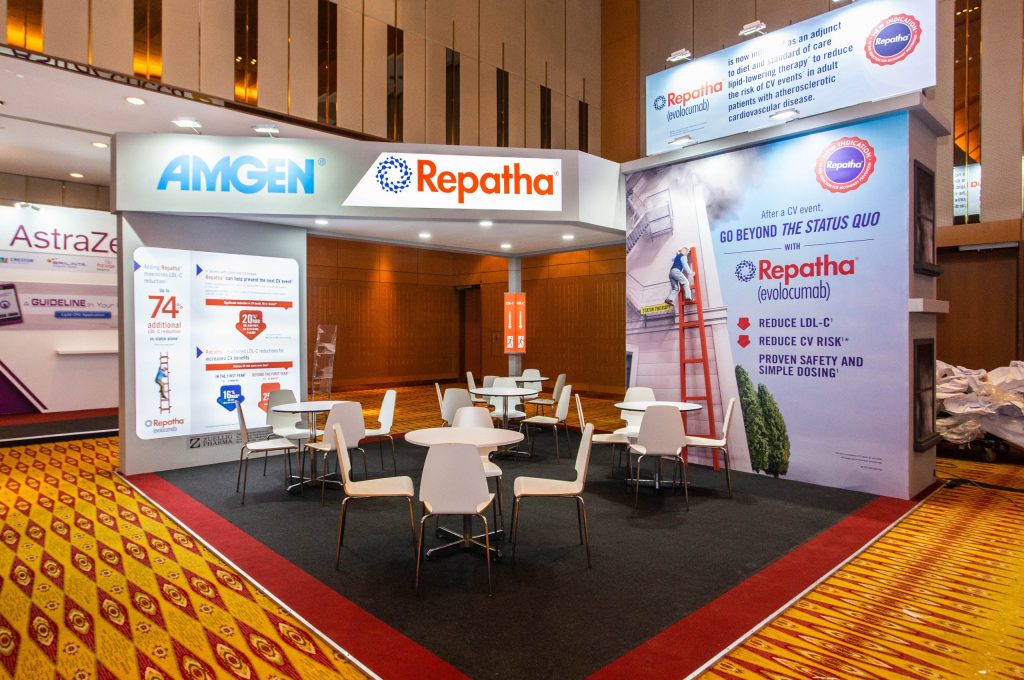
Understanding the Touch Concept Approach
The Touch Concept Approach serves as a strategic framework in exhibition booth installations, focusing on creating meaningful interactions between the exhibit and its audience. This method prioritizes tactile engagement, encouraging visitors to connect physically and emotionally with the display.
It emphasizes intuitive design, where every element invites exploration and interaction without constraints. The approach champions freedom of movement and choice https://www.touchconcept.com.my/, allowing attendees to experience the exhibit on their terms.
By integrating sensory touchpoints, the concept fosters a deeper understanding and lasting impression. It moves beyond passive observation, transforming booths into dynamic spaces that resonate personally with diverse audiences.
The Touch Concept Approach consequently redefines exhibition design, promoting open-ended engagement that respects individual autonomy and enhances the overall visitor experience.
Key Benefits of Touch Concept Project Management
Efficiency emerges as a central advantage in Touch Concept project management, streamlining coordination and execution of exhibition booth installations. This approach enables precise scheduling, reducing delays and minimizing resource waste.
It fosters clear communication among stakeholders, ensuring all team members remain aligned without micromanagement. The method’s flexibility supports adaptive responses to unexpected challenges, granting project managers freedom to adjust plans dynamically.
Additionally, the Touch Concept enhances quality control by integrating continuous monitoring, which helps maintain high standards throughout the installation process. By simplifying complex workflows, it empowers teams to focus on creative solutions rather than administrative burdens.
Ultimately, this project management style balances structure with autonomy, offering a liberating framework that drives timely, cost-effective, and high-quality exhibition booth setups.
Essential Tools and Technologies Used
Numerous tools and technologies play a critical role in optimizing exhibition booth installations under the Touch Concept project management framework.
Digital collaboration platforms enable seamless communication and real-time updates among stakeholders, ensuring alignment without geographic constraints.
Project management software tracks timelines, budgets, and resource allocation, allowing flexible adjustments as needed.
3D modeling and virtual reality tools provide immersive previews of booth layouts, facilitating informed decisions and creative freedom.
Mobile applications streamline on-site coordination, offering instant access to plans and checklists.
Additionally, cloud-based document management secures essential files while enabling effortless sharing.
These technologies collectively empower teams to execute installations efficiently, adapt swiftly, and maintain control over complex processes, supporting a liberated approach to project execution without sacrificing precision or oversight.
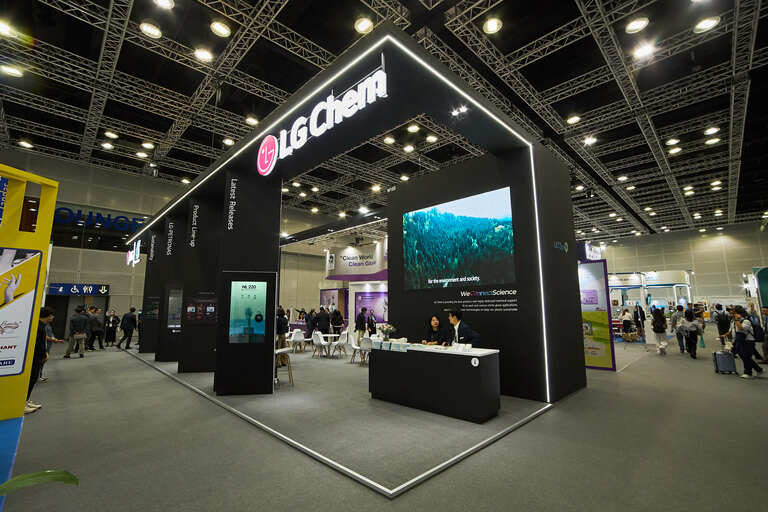
Steps to Implement Touch Concept Management
When adopting Touch Concept Management for exhibition booth installations, a structured sequence of steps guarantees effective implementation. It begins with defining clear objectives that align the booth’s purpose with the exhibitor’s brand identity.
Next, collaborative planning involves stakeholders to confirm all perspectives and needs are addressed. Following this, design development integrates interactive elements tailored to engage visitors dynamically.
Procurement and coordination of materials and technology then occur, emphasizing flexibility and timely delivery. Installation is executed with precision, allowing room for adjustments as needed.
Finally, thorough testing confirms all touchpoints function seamlessly before the event launch. Post-event evaluation gathers feedback to refine future projects.
This methodical approach empowers teams to maintain control while embracing creative freedom throughout the process.
Case Studies of Successful Booth Installations
Innovation often defines the impact of exhibition booth installations, as demonstrated by several successful case studies.
One notable example involved a technology firm that integrated interactive touchscreens, enabling visitors to customize product demonstrations freely. This approach increased engagement and led to higher lead generation.
Another case featured a sustainable materials company that designed a modular, eco-friendly booth allowing quick reconfiguration, granting the team freedom to adapt layouts based on visitor flow.
Additionally, a creative agency employed augmented reality to offer immersive experiences without physical constraints, enhancing brand recall.
These cases highlight how embracing flexible design and interactive elements within project management frameworks empowers exhibitors to break traditional boundaries, ultimately delivering memorable, effective presentations that resonate with diverse audiences.
Conclusion
The touch concept project management approach enhances exhibition booth installations by emphasizing seamless coordination and precise execution. Its key benefits include improved efficiency, better stakeholder communication, and higher-quality outcomes. Utilizing specialized tools and technologies, this method streamlines complex processes and mitigates risks. When implemented through clear, structured steps, it consistently delivers successful results, as demonstrated by various case studies. Overall, the touch concept offers a strategic framework that elevates project management in exhibition settings.