
Choosing the best bed bug spray means selecting one with proven active ingredients like pyrethroids or botanicals that offer both contact kill and residual action to prevent reinfestation dust mites vs bed bugs. You’ll want precise application to targeted hiding spots—mattress seams, cracks, and baseboards—while following safety precautions to protect your family and pets. Be aware of resistance issues and always adhere to manufacturer guidelines for dosage and ventilation. Understanding these factors empowers effective treatment; more insights await to optimize your eradication strategy.
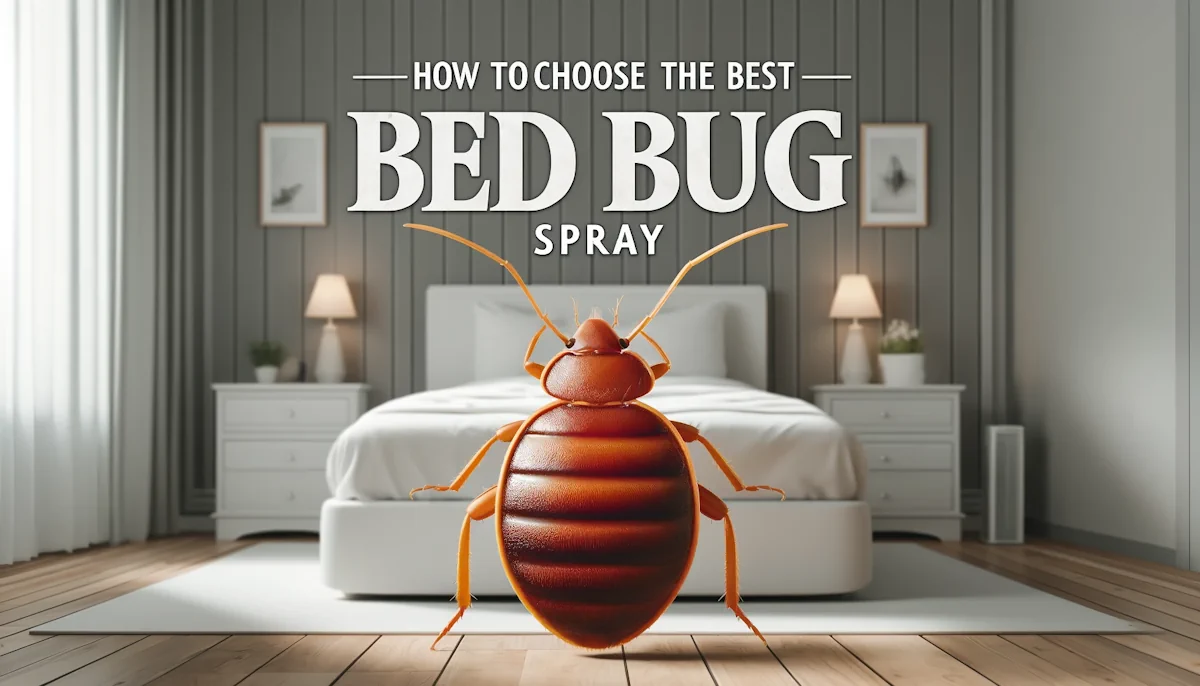
Understanding Bed Bugs and Their Behavior
To get a clear grasp on how to effectively choose and use bed bug spray, you need to understand the biology and behavior of bed bugs. These insects exhibit pronounced nocturnal activity, emerging primarily at night to feed on human blood, which makes detecting them during the day challenging igreenasia. They rely heavily on aggregation pheromones to communicate and cluster in tight groups within hiding spots like mattress seams and cracks. This behavior not only facilitates reproduction but also complicates eradication efforts, as sprays must penetrate these clusters to be effective. By comprehending their nocturnal feeding patterns and pheromone-driven aggregation, you can better target treatments, ensuring sprays disrupt their habitat and reduce their population efficiently, ultimately reclaiming your living space and preserving your freedom from infestation.
How Bed Bug Sprays Work to Eliminate Infestations
You’ll want to understand the active ingredients in bed bug sprays and how they target these pests at various life stages. Proper application methods are vital to maximize the spray’s effectiveness while minimizing risks. Keep in mind that sprays have limitations and often work best when integrated with other control measures.
Active Ingredients Explained
Understanding the active ingredients in bed bug sprays is essential for tackling infestations effectively. Most sprays contain synthetic neurotoxins like pyrethroids, which disrupt the nervous system of bed bugs, leading to paralysis and death. However, resistance mechanisms have evolved, reducing their efficacy in some populations. To overcome this, formulations often include synergists that inhibit these resistance pathways. Alternatively, botanicals such as neem oil and essential oils provide a natural approach, leveraging their insecticidal properties while minimizing chemical exposure. Their efficacy varies, but they can be valuable in integrated pest management strategies. By comprehending these active ingredients and their modes of action, you can select a spray that not only kills bed bugs efficiently but also aligns with your preference for freedom from persistent infestations and chemical overuse.
Application Methods Overview
Knowing the active ingredients is just one part of the equation; how you apply the spray plays a significant role in its effectiveness against bed bugs. You’ll want to target common hiding spots like mattress seams, bed frames, and baseboards thoroughly. Most sprays come with precise instructions on application rates and coverage to maximize contact with bed bugs. While sprays kill on contact, integrating them with heat treatments or steam cleaning enhances overall control by penetrating cracks and heat-sensitive eggs. Steam cleaning complements sprays by delivering high temperatures that bed bugs can’t survive, especially in areas sprays might miss. Combining these methods strategically empowers you to reclaim your space efficiently, giving you the freedom to live bed bug–free without relying solely on chemicals.
Effectiveness and Limitations
Although bed bug sprays can be highly effective at killing exposed insects on contact, their overall success depends on proper use and understanding their limitations. You need to know that sprays primarily target active bugs, but won’t reach eggs hidden deep in cracks. Environmental persistence varies—some formulations maintain residual activity, continuing to kill for days, while others degrade quickly, requiring repeated applications. Be aware that overuse or improper application can promote long term resistance, reducing efficacy over time. To maximize results, combine sprays with integrated pest management methods like heat treatment and thorough cleaning. By recognizing these factors, you make certain bed bug sprays become a powerful tool rather than a short-term fix, granting you lasting freedom from infestations.
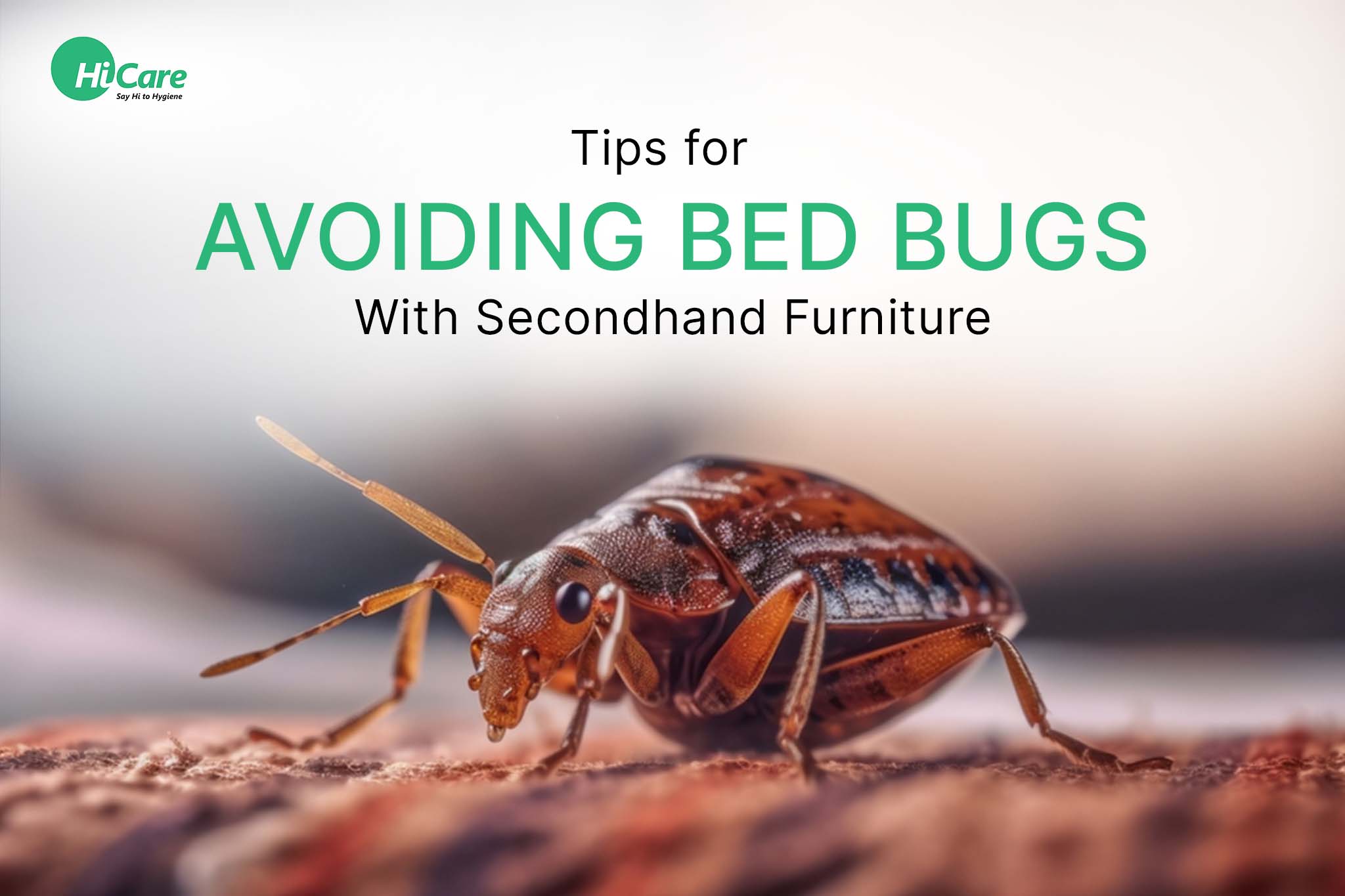
Key Ingredients to Look for in Bed Bug Sprays
When selecting a bed bug spray, you’ll want to focus on active ingredients proven to eliminate these pests effectively. Look for compounds with strong residual action, as they continue to kill bed bugs long after application, preventing re-infestation. Pyrethroids are common synthetic agents known for this lasting effect. Alternatively, sprays containing botanical extracts, such as neem oil or essential oils like tea tree and eucalyptus, offer natural insecticidal properties. These extracts disrupt the pests’ nervous systems or interfere with reproduction, providing targeted control. Prioritize sprays combining fast-acting components with residual efficacy to maximize freedom from bed bugs. Understanding these ingredients empowers you to choose solutions that not only eradicate existing bugs but also suppress future populations, ensuring your home remains a safe, pest-free environment.
Safety Considerations for Family and Pets
When selecting a bed bug spray, you need to pay close attention to toxicity levels to make certain it’s safe for your family and pets. Proper application techniques are vital to minimize exposure and prevent health risks. Following manufacturer guidelines carefully will help protect your household while effectively eliminating bed bugs.
Toxicity Levels to Watch
Since bed bug sprays contain chemicals designed to eliminate pests, it’s essential you understand their toxicity levels to protect your family and pets. Acute exposure to certain insecticides can cause immediate health effects such as respiratory irritation, headaches, or nausea. More concerning is chronic toxicity, which results from repeated, low-level exposure and may lead to long-term neurological or endocrine disorders. You need to carefully review product labels for active ingredients and toxicity classifications. Opt for sprays with lower mammalian toxicity and avoid those containing neurotoxic compounds unless absolutely necessary. Pay close attention to any warnings related to children and pets, who are especially vulnerable. By evaluating these toxicity factors, you gain control over your environment, ensuring effective pest elimination without compromising your household’s health and freedom.
Safe Application Tips
Although bed bug sprays are effective, you must apply them with caution to safeguard your family and pets. First, always wear protective gloves to avoid direct skin contact with chemicals, reducing the risk of irritation or absorption. Make certain proper ventilation in the treated area by opening windows and using fans to disperse fumes swiftly, minimizing inhalation hazards. Remove pets from rooms before application and keep them away until the spray has fully dried and the area is aired out. Follow the product’s instructions meticulously, adhering to recommended dosages and application methods. Avoid treating bedding or furniture where children and pets frequently rest unless specified safe. By prioritizing these safety measures, you maintain your household’s freedom from pests without compromising health or well-being.
Comparing Different Types of Bed Bug Sprays
As you evaluate bed bug sprays, understanding the distinctions between chemical classes and application methods is essential for effective treatment. Pyrethroids offer strong residual protection but may pose resistance issues, while neonicotinoids disrupt insect nervous systems with moderate longevity. In contrast, desiccants physically damage bed bugs’ exoskeletons, providing odor mitigation benefits without chemical residues. Aerosols deliver immediate knockdown but lack lasting effects, whereas sprays and dusts offer prolonged action depending on formulation. Selecting a product that balances residual protection with minimal odor is key to maintaining a comfortable environment while ensuring efficacy. By discerning these technical differences, you gain control over your treatment strategy, empowering you to reclaim your space without compromise.
Tips for Effective Bed Bug Spray Application
Understanding the properties and limitations of various bed bug sprays sets the foundation for successful application. Before spraying, conduct thorough room inspections to identify infestation hotspots, focusing on mattress seams, baseboards, and furniture crevices. Prioritize clutter removal to eliminate hiding places and improve spray penetration. Apply the spray evenly, targeting cracks and crevices where bed bugs hide, but avoid oversaturation to prevent residue buildup or damage to surfaces. Always follow manufacturer instructions regarding dosage and safety precautions. After treatment, maintain room ventilation to accelerate drying and reduce chemical exposure. Repeat treatments as recommended since bed bugs can be resilient. By combining meticulous inspections, effective clutter removal, and precise spray application, you’ll enhance your control efforts and regain your freedom from these persistent pests.
Conclusion
Choosing the best bed bug spray requires understanding their behavior and selecting products with proven active ingredients like pyrethroids or desiccants. Always prioritize sprays that balance efficacy with safety for your family and pets. Comparing formulations—whether residual, aerosol, or natural—helps you target infestations effectively. By following proper application techniques, you’ll maximize control while minimizing risks. With informed choices and careful use, you can confidently eliminate bed bugs from your home.